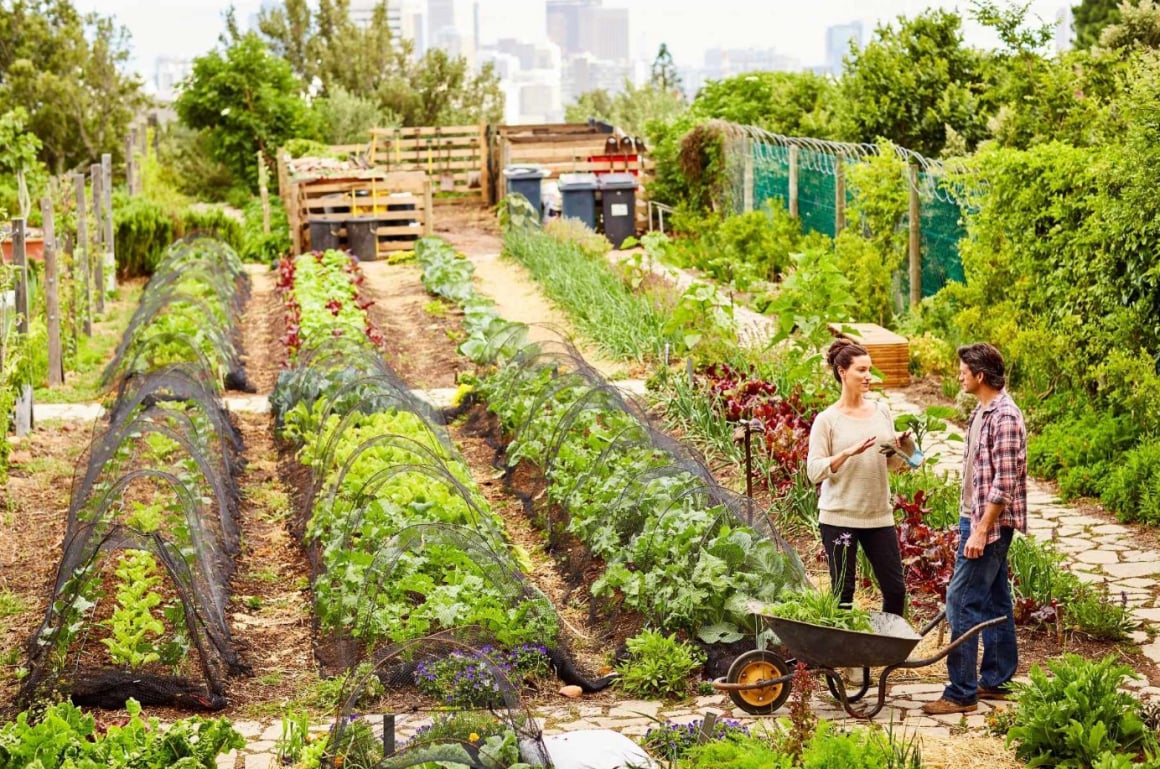
The Beginner's Blueprint: Planning Your First Vegetable Garden
Embarking on your first vegetable garden is an exciting step toward self-sufficiency and connection with nature. The key to bypassing overwhelm is a solid plan. This blueprint will guide you through the foundational stages, transforming a patch of ground or a collection of pots into a productive and manageable source of fresh food. Remember, every expert gardener started with a single seed and a dose of curiosity.
Your first critical decision is location. Most vegetables crave sunlight, requiring a minimum of six to eight hours of direct exposure daily. Observe your yard or balcony throughout the day to identify the sunniest spots. Equally important is convenience; choose a site you pass by regularly, as an "out of sight, out of mind" garden is harder to maintain. Ensure the area has good drainage—avoid places where water pools after a rain—and is relatively sheltered from strong winds.
Next, understand your canvas: the soil. For in-ground gardens, A simple soil test, available from local gardening centers or through services like the National Parks Board's (NParps) Community in Bloom initiative, is invaluable. It reveals pH levels and nutrient profiles, telling you exactly what your soil lacks. For most beginners, however, starting with a raised bed or quality containers filled with a premium potting mix is a foolproof way to guarantee good drainage and fertility from day one. This controlled environment eliminates many initial soil challenges.
Now for the fun part: choosing your plants. As a novice, success breeds enthusiasm, so select vegetables known for their reliability and ease. Fantastic starters include bush beans, which produce abundantly with little fuss; leafy greens like lettuce and spinach that grow quickly; radishes for a rapid harvest; and determinate varieties of tomatoes or peppers sold in sturdy starter plants. Resist the urge to plant one of everything; start with three to five types you genuinely enjoy eating.
A thoughtful layout is your operational plan. Practice "square foot gardening" principles in raised beds or use rows in the ground, always following spacing instructions on seed packets or plant tags. Consider plant height, placing taller plants (like pole beans or corn) on the north side to avoid shading shorter ones. Integrate marigolds or herbs like basil, which can help deter pests naturally. Sketching a simple diagram helps visualize your garden and serves as a record for crop rotation next season.
Finally, adopt a mindset of observation and learning. Your first garden is a living laboratory. Establish a simple routine for watering—aiming for deep, consistent moisture at the soil level—and spend a few minutes daily checking for pests or signs of growth. Keep a basic journal noting planting dates, varieties, and what works or doesn't. Embrace mistakes as lessons; each season, your knowledge will grow as reliably as your plants, building the confidence for a lifetime of gardening.