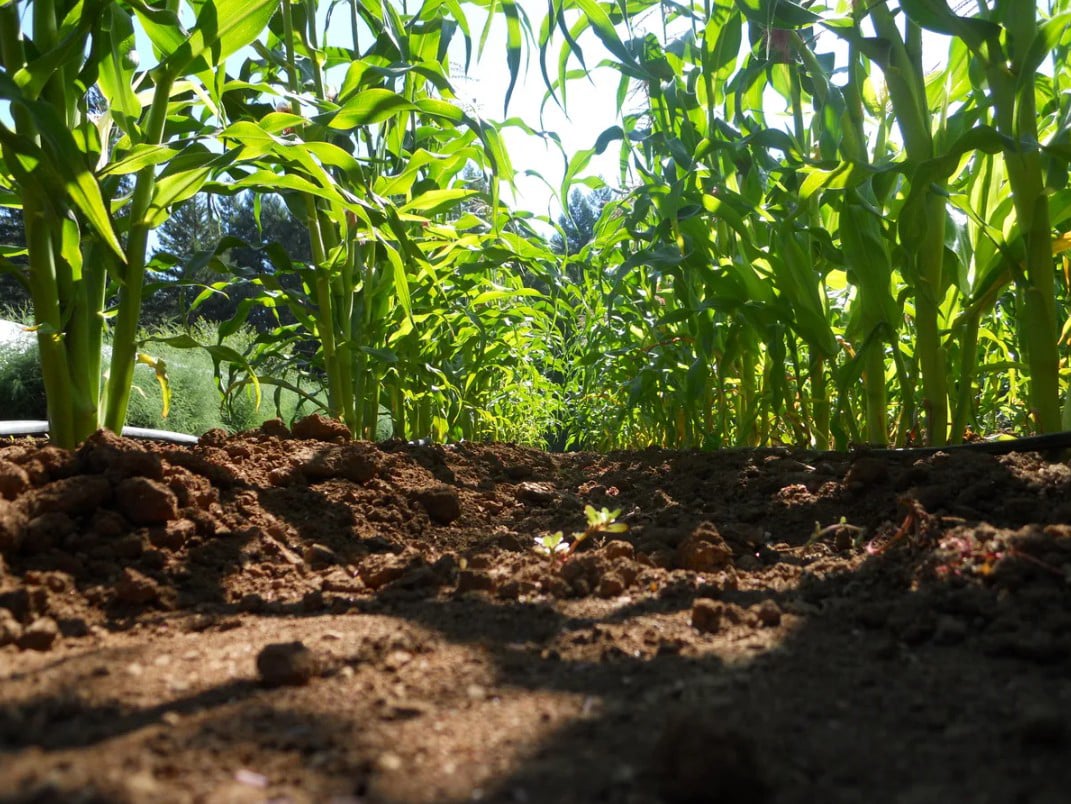
Beyond Watering: Mastering the Art of Soil Health and Nutrition
Many gardeners focus intently on sunlight and water, but the true secret to vibrant plant life lies beneath the surface. Soil is not merely an anchor for roots; it is a dynamic, living ecosystem. Mastering its health is the single most impactful step you can take toward a resilient, productive, and beautiful garden that requires less intervention over time.
Think of soil as a city teeming with life. Billions of bacteria, fungi, protozoa, and earthworms are the unseen workforce, breaking down organic matter into humus—a stable, nutrient-rich material that defines fertile soil. This biological activity creates a crumbly structure that allows for crucial oxygen flow, retains moisture like a sponge, and provides a welcoming environment for roots to explore. Disrupting this life with excessive tilling or chemicals is akin to collapsing the city's infrastructure.
The journey to great soil begins with understanding its physical composition. Soil is a mix of mineral particles: sand (large, drains quickly), silt (medium), and clay (tiny, retains water). The ideal blend is loam, which balances all three. You can perform a simple jar test at home to determine your ratio. This knowledge dictates your approach: sandy soils need more organic matter to hold water and nutrients, while heavy clay soils need organic matter to improve drainage and aeration.
Organic matter is the cornerstone of soil fertility. It feeds the soil's microorganisms, improves structure, and slowly releases nutrients. The best way to add it is through compost—the "black gold" of gardening. Creating your own compost pile from kitchen scraps and yard waste is a sustainable cycle that returns nutrients to your garden. Other excellent amendments include well-rotted manure, leaf mold, and cover crops like clover, which are grown and then turned into the soil as "green manure."
Nutrition is more than just fertilizer. While balanced organic fertilizers can provide a boost, they should complement, not replace, a soil rich in organic matter. Over-reliance on synthetic, quick-release fertilizers can harm soil biology and lead to salt buildup. Instead, focus on building a nutrient reservoir. Regularly top-dressing your garden with a thin layer of compost each season feeds the soil food web, which in turn feeds your plants in a slow, steady, and balanced manner.
Ultimately, your goal is to become a steward of the soil ecosystem. Adopt practices that protect and enhance it: minimize tilling to preserve fungal networks, use mulch (like straw or wood chips) to retain moisture and suppress weeds, and practice crop rotation to prevent nutrient depletion and disease buildup. By nurturing this hidden world, you create a foundation where plants can access water and nutrients efficiently, develop strong immune systems, and reward you with unparalleled growth and vitality.