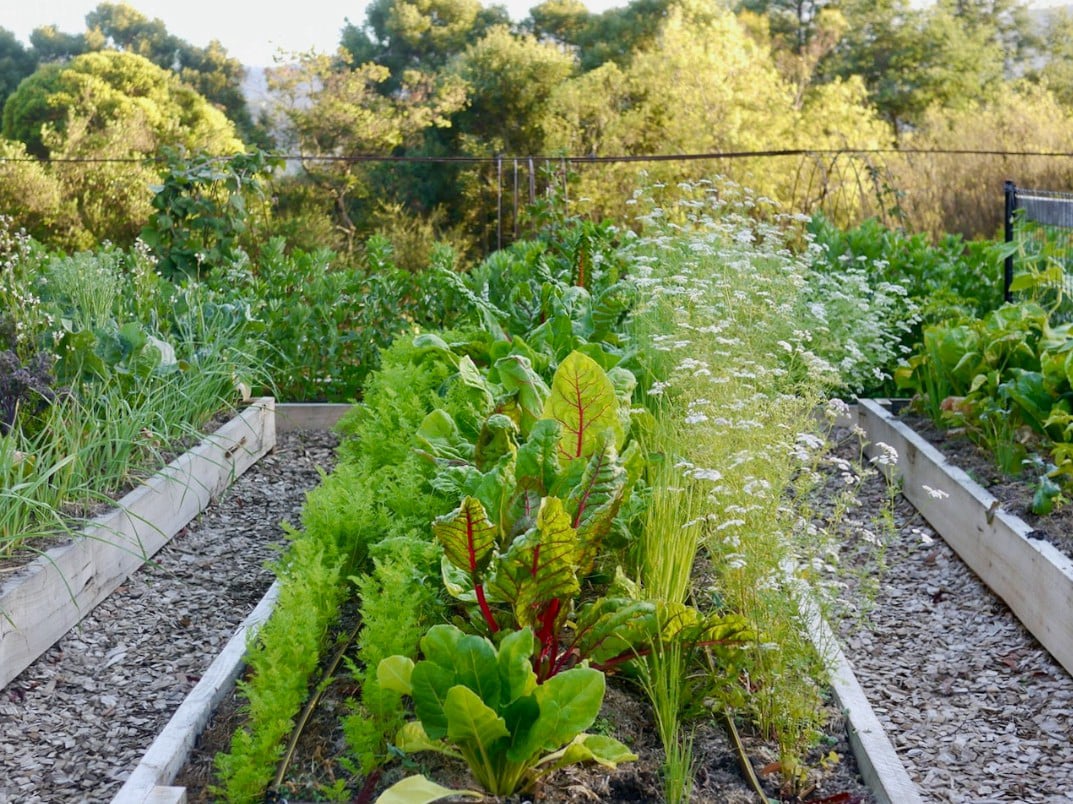
Companion Planting: Nature's Strategy for a Healthier, More Productive Garden
Companion planting is the thoughtful practice of placing specific plants near one another to achieve benefits like pest control, pollination, improved growth, and enhanced flavor. It's a way of designing your garden to work with natural ecological relationships, creating a more balanced and resilient mini-ecosystem that reduces the need for external interventions.
At its core, companion planting functions through several powerful mechanisms. Some plants, like marigolds and nasturtiums, release biochemicals from their roots or scent from their flowers that repel common insect pests such as aphids, cucumber beetles, and even soil-dwelling nematodes. Others, particularly aromatic herbs like basil, rosemary, and dill, can mask the scent of vegetable crops, confusing pests and making their targets harder to find.
Another critical benefit is the attraction of beneficial insects. Flowers like calendula, borage, and alyssum are not just pretty; they are powerful lures for pollinators (bees, butterflies) and predatory insects (ladybugs, lacewings, hoverflies). These predators are nature's pest control, consuming vast quantities of aphids, mites, and caterpillar eggs. By interplanting these "insectary" plants among your vegetables, you ensure a steady population of garden allies.
Companion planting also optimizes the use of space and soil resources through clever spatial relationships. The classic "Three Sisters" method—combining corn (a tall supporter), pole beans (a nitrogen-fixer that climbs the corn), and squash (a ground cover that shades roots and suppresses weeds)—is a perfect example of symbiotic growth. Similarly, pairing shallow-rooted plants with deep-rooted ones allows them to draw water and nutrients from different soil layers without competition.
Beyond pests and space, some companions directly enhance the growth and flavor of their neighbors. Basil is famously said to improve both the health and flavor of tomatoes when planted nearby. Legumes (peas, beans) have a unique ability to "fix" atmospheric nitrogen into a form other plants can use, effectively fertilizing nitrogen-hungry neighbors like leafy greens and corn. Strong-scented plants like onions and garlic can help deter browsing animals from more tempting crops.
Implementing companion planting requires viewing your garden as an interconnected community. Start by integrating a few proven pairs: plant basil with tomatoes and peppers, grow radishes near squash to deter cucumber beetles, and edge your beds with marigolds. Keep a garden journal to observe the results. It's not an exact science, and its efficacy can vary, but by fostering biodiversity, you create a healthier garden environment where problems are less likely to spiral out of control, leading to a more harmonious and productive harvest.