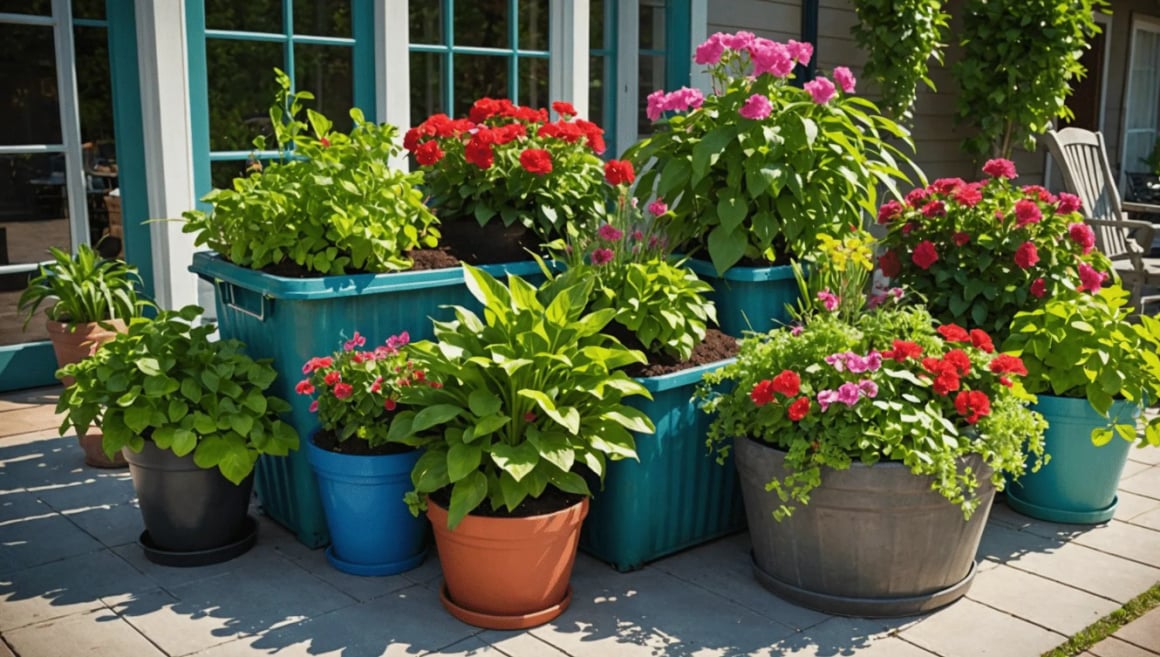
Container Gardening Excellence: Growing Abundance in Limited Spaces
The lack of a traditional garden plot is no longer a barrier to growing your own food and flowers. Container gardening is a versatile and highly effective method for cultivating plants on patios, balconies, fire escapes, and even sunny windowsills. With the right approach, you can create a concentrated, manageable, and stunningly productive garden in virtually any location.
Success in container gardening begins with choosing the right vessel. The single most important feature is adequate drainage holes to prevent waterlogged soil, which is fatal to roots. Size matters greatly: larger pots hold more soil, which retains moisture longer and provides room for healthy root development. For most vegetables like tomatoes, peppers, and eggplants, aim for containers that hold at least 5 gallons. Herbs and lettuces can thrive in 1-3 gallon pots.
The growing medium you select is critical. Never use soil from your yard, as it compacts in containers and drains poorly. Instead, invest in a high-quality, lightweight potting mix specifically formulated for containers. These mixes typically contain a blend of peat moss or coconut coir, perlite, and vermiculite, ensuring excellent aeration and drainage while still retaining moisture. For added fertility and water retention, you can mix in a bit of compost.
Plant selection is where you tailor your garden to your space and light conditions. For sun-drenched areas (6+ hours), focus on fruiting vegetables: tomatoes (look for "patio," "dwarf," or "determinate" varieties), peppers, eggplant, cucumbers, and beans. For partial sun (3-6 hours), grow leafy greens (lettuce, kale, spinach), herbs (parsley, mint, chives), and root crops like radishes. Many dwarf fruit trees and berry bushes are also bred for container life.
Container plants are entirely dependent on you for water and nutrients, making consistent care non-negotiable. Watering needs are high, especially in summer. Check moisture daily by sticking your finger an inch into the soil; water deeply until it runs out the bottom. Frequent watering leaches nutrients, so a regular feeding schedule is essential. Use a balanced, water-soluble organic fertilizer every 1-2 weeks, or mix a slow-release organic fertilizer into the potting mix at planting time.
Finally, view your container garden as a dynamic, movable feast. You can rotate pots to chase the sun through the seasons. Take advantage of vertical space with trellises for peas, beans, or small cucumbers. Group pots together to create a microclimate that retains humidity. When a plant finishes production, refresh the pot by removing the old plant, mixing in fresh compost, and planting something new for a successive harvest. With attention and creativity, your container garden can yield an astonishing abundance, proving that space is no limit to growing.